

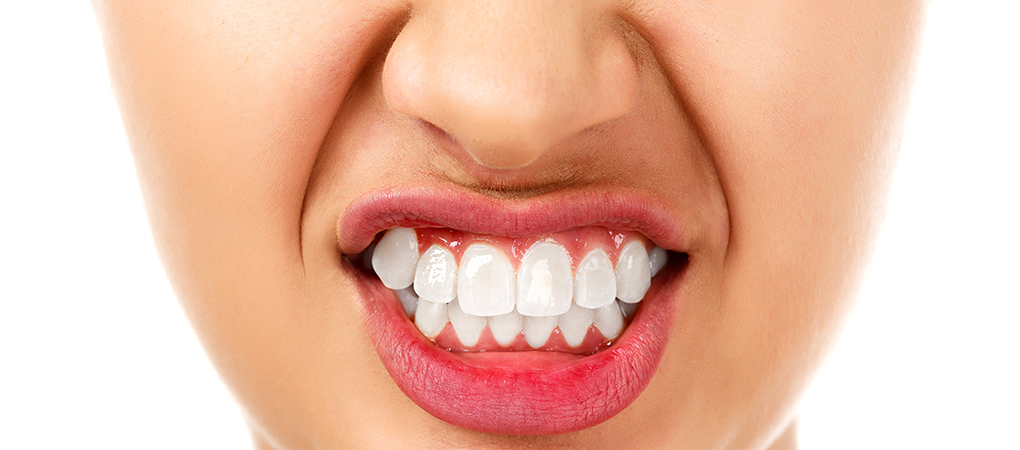
Teeth grinding, also known as bruxism, is a common dental issue that can cause significant discomfort and long-term oral health problems. It often occurs during sleep but can also happen during the day due to stress, anxiety, or misaligned teeth. Persistent grinding can lead to worn enamel, jaw pain, headaches, and even damage to dental restorations. While conventional dentistry provides solutions such as night guards or bite correction, homeopathic remedies are increasingly being explored as a natural way to reduce grinding and its associated symptoms. Homeopathy focuses on addressing the underlying causes, calming nerve tension, and supporting the body’s natural healing processes. This article explores the principles, remedies, and lifestyle strategies for managing bruxism through homeopathy.
What Is Teeth Grinding?
Teeth grinding is the involuntary clenching or rubbing of teeth, often during sleep. It may be caused by stress, anxiety, malocclusion (misaligned teeth), or certain medications. Symptoms include jaw soreness, headaches, enamel wear, increased tooth sensitivity, and disrupted sleep. If left untreated, bruxism can lead to significant dental damage, including fractures, gum recession, and temporomandibular joint (TMJ) disorders. Homeopathy aims to reduce the intensity and frequency of grinding while supporting oral and systemic health, addressing both the symptoms and potential triggers of bruxism.
Principles of Homeopathic Dentistry for Bruxism
Homeopathy works on the principle of “like cures like,” using highly diluted natural substances to stimulate the body’s self-healing mechanisms. In the context of bruxism, homeopathic remedies target stress, nervous tension, and inflammation in the jaw and surrounding tissues. By calming the nervous system, alleviating muscle strain, and supporting tissue repair, homeopathy helps reduce the frequency and severity of teeth grinding. Unlike conventional treatments that focus on mechanical prevention, homeopathy provides a holistic approach that addresses both the physical and emotional components of bruxism.
Common Homeopathic Remedies for Teeth Grinding
Several homeopathic remedies are commonly used for bruxism. Chamomilla is recommended for patients who experience grinding due to irritability or discomfort, especially in children. Belladonna may be used for acute jaw tension, throbbing pain, or sudden nighttime grinding episodes. Kali phosphoricum helps relieve stress-related grinding and promotes relaxation of nervous and muscular tension. Aconitum napellus can be helpful when grinding is associated with anxiety or restlessness. Calcarea phosphorica supports the strengthening of teeth and jaw structures, reducing long-term damage. Each remedy is selected based on individual symptoms, overall health, and triggers, making consultation with a qualified homeopathic dentist essential.
Integrating Homeopathy with Conventional Dental Care
Homeopathic remedies are most effective when combined with conventional dental care. Night guards or bite splints protect teeth from wear during sleep, while proper dental alignment may prevent abnormal pressure on teeth and jaws. Regular dental checkups ensure that any damage caused by bruxism is promptly treated. Gentle oral hygiene practices, including soft-bristled brushing and flossing, reduce the risk of gum irritation and further enamel wear. Homeopathic adjuncts, such as natural mouth rinses and remedies to relieve muscle tension, can enhance comfort and support long-term oral health. Integrating both approaches provides a comprehensive strategy for managing bruxism naturally and effectively.
Lifestyle Tips for Reducing Teeth Grinding
Lifestyle modifications play a significant role in controlling bruxism. Stress management techniques, such as meditation, deep breathing exercises, yoga, and mindfulness, can help reduce nighttime grinding. Avoiding stimulants such as caffeine and alcohol, particularly before bedtime, supports relaxation. Maintaining proper sleep hygiene and creating a calm bedtime routine can reduce involuntary grinding during sleep. Gentle jaw exercises, massage, and relaxation techniques help alleviate muscle tension. These lifestyle strategies, combined with homeopathic remedies, create a holistic approach to preventing teeth grinding and maintaining healthy oral function.
FAQ’s
Are homeopathic remedies effective for all cases of bruxism?
Homeopathic remedies are effective for mild to moderate bruxism and can help alleviate symptoms. Severe cases may still require mechanical interventions like night guards.
Can homeopathy prevent long-term dental damage?
Homeopathy can reduce grinding intensity and protect teeth when combined with conventional dental protection and lifestyle adjustments.
How quickly can I expect results?
Improvement varies by individual, but many patients notice reduced grinding and jaw tension within a few weeks of consistent homeopathic treatment and stress management.
Are homeopathic remedies safe for children?
Yes, with professional guidance, homeopathic remedies are safe for children, particularly when bruxism is related to stress, discomfort, or teething.
Can homeopathy replace night guards or dental appliances?
Homeopathy complements but does not replace mechanical protection. Night guards remain essential for preventing enamel wear in persistent cases of bruxism.
Conclusion
Homeopathic remedies offer a natural, gentle approach to managing teeth grinding. By addressing stress, nervous tension, and muscular strain, homeopathy supports long-term oral health while reducing discomfort and the risk of dental damage.
When combined with conventional dental care, proper oral hygiene, and lifestyle modifications, homeopathy provides a comprehensive, holistic approach to bruxism. This integrative strategy helps protect teeth, maintain jaw health, and promote overall oral wellness for a more comfortable, healthy smile.
